Electric Vehicles in India
Independent buying guides for electric cars in India covering pricing, range, safety ratings, and government subsidies. Updated for 2026 models.
 Featured · Range
MG Hector Tomahawk EV Real-World Range Test in India 2026: How 19.50–23.50 Lakh Pricing Stacks Against Mahindra XEV 9S
The MG Hector Tomahawk EV achieves ~446 km real-world range from a 69.2 kWh battery, priced ₹19.50–23.50 lakh, competing directly with the Mahindra XEV 9S.
Latest videos
All videosIs owning an EV car cheaper than other cars in India?
Maruti e VitaraEV Index India - Launch Video
Latest news
All news →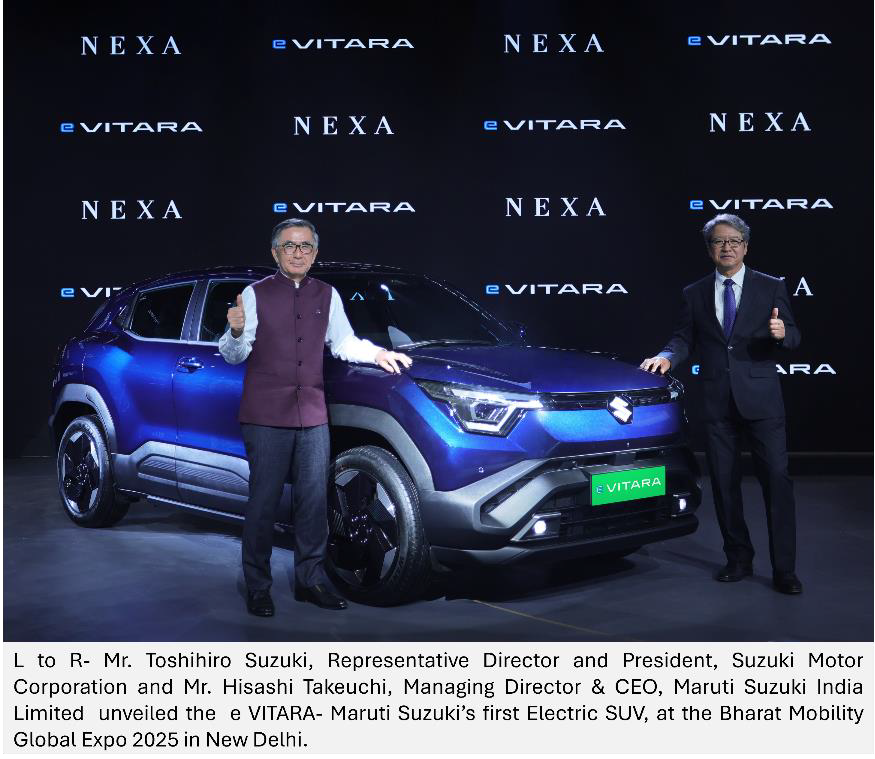 Launches
JSW Combat PHEV SUV Debuts December 4, 2026: How India's Newest Plug-in Hybrid Challenges Maruti e-Vitara
 News
NewsVinFast's India Two-Wheeler Entry in 2026: What the Design Patent Signals for EV Scooter Competition
 Sales
SalesSeptember 2026 Car Sales in India: Mahindra Beats Tata to Second—What 32% Growth Means for EV Buyers
 Launches
Mahindra Vision T Prototype Spied: What India's Next Mid-Size Electric SUV Design Reveals in 2026
Featured brands
All brands →




Featured models
All models →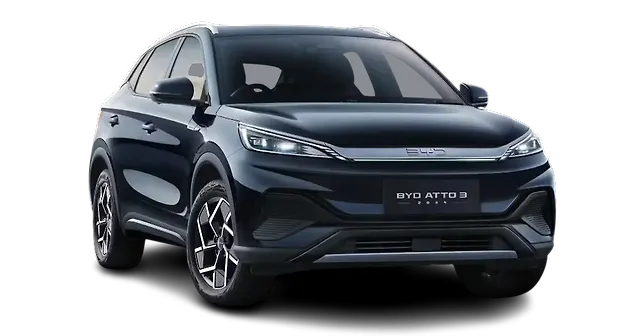 SUVOn Sale
BYD India
BYD Atto 3
₹24.99 – 33.99 Lakh (ex-showroom)
The BYD Atto 3 brings a 521 km ARAI-claimed range, 5-star Euro NCAP safety, and a rotating touchscreen to the ₹25–34 lakh EV segment — a combination no domestic rival currently matches.
 SedanOn Sale
BYD India
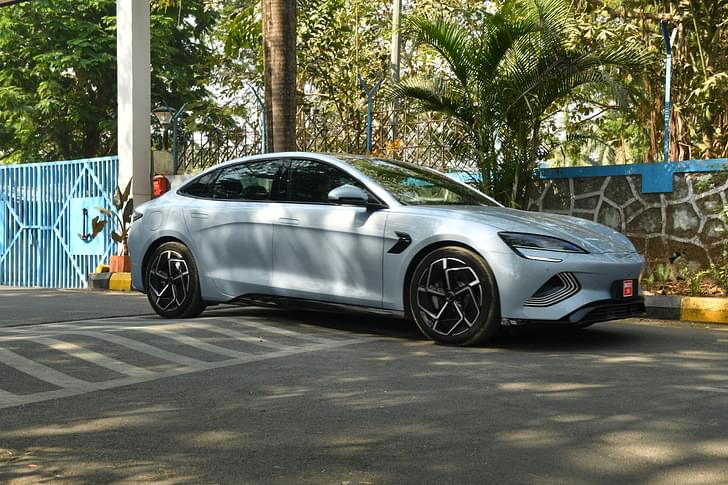
BYD Seal
₹41.00 – 53.15 Lakh (ex-showroom)
The BYD Seal brings supercar-rivalling performance, 580 km claimed range, and Blade Battery safety to India's premium EV sedan segment at a price that undercuts most European rivals.
 SUVOn Sale
Hyundai Motor India
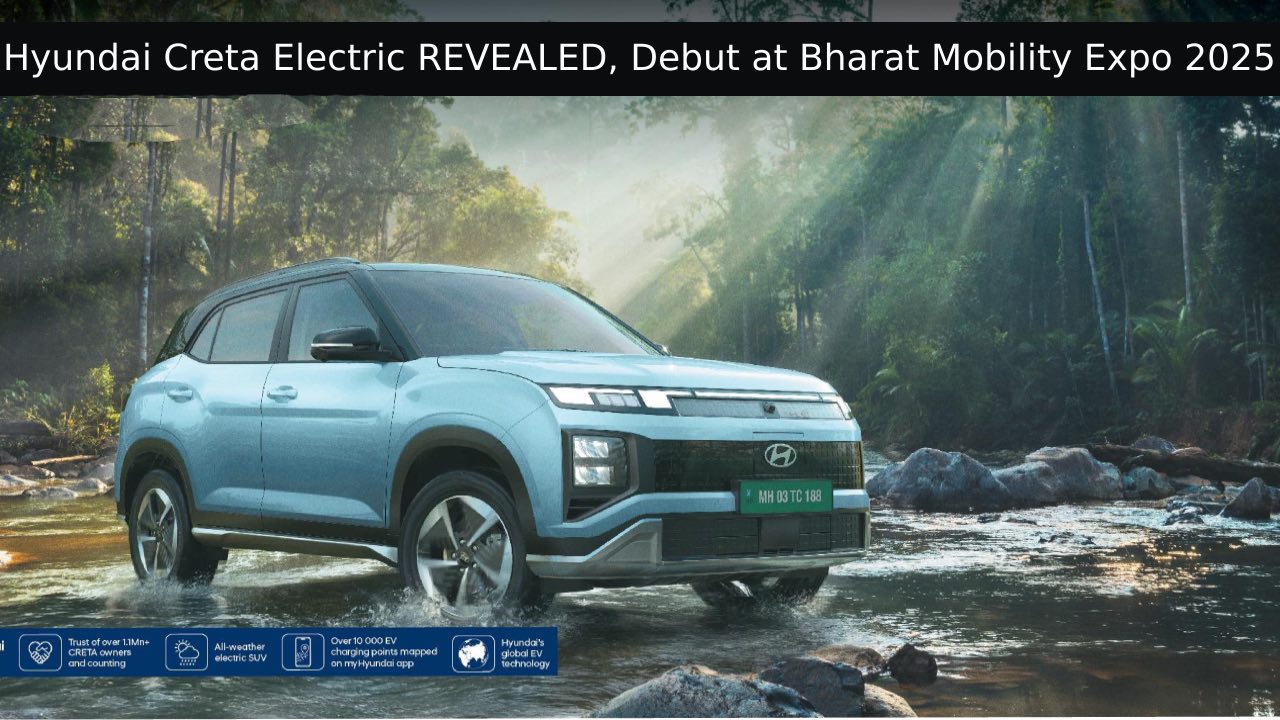
Hyundai Creta Electric
₹18.02 – 24.70 Lakh (ex-showroom)
India's best-selling EV combines a trusted Creta nameplate, 473 km ARAI range, Level 2 ADAS, and V2L in a purpose-built EV platform starting at ₹18.02 lakh — redefining what mass-market electric SUVs can offer.
 SUVOn Sale
Hyundai Motor India
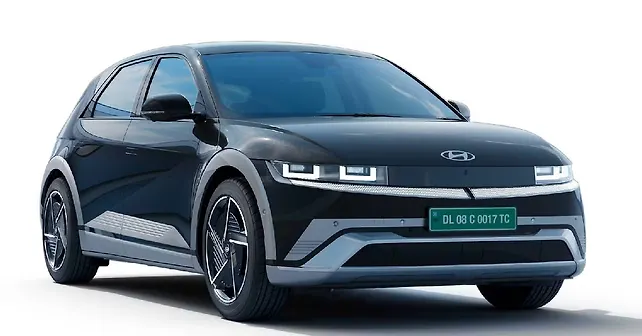
Hyundai Ioniq 5
₹55.70 Lakh (ex-showroom, single variant)
The 2026 Hyundai Ioniq 5 raises the bar for premium EVs in India with its 690 km ARAI-claimed range, 84 kWh battery, and 800V ultra-fast charging — all in one of the most distinctive designs on sale today.
 SUVOn Sale
Hyundai Motor India
Hyundai Kona Electric
₹23.79 Lakh (ex-showroom, indicative)
The Hyundai Kona Electric is India's most mature compact electric SUV, combining a 452 km ARAI-claimed range, 50 kW fast charging, and a globally proven platform — making it a benchmark for reliability and refinement in the segment.
 SUVOn Sale
Mahindra
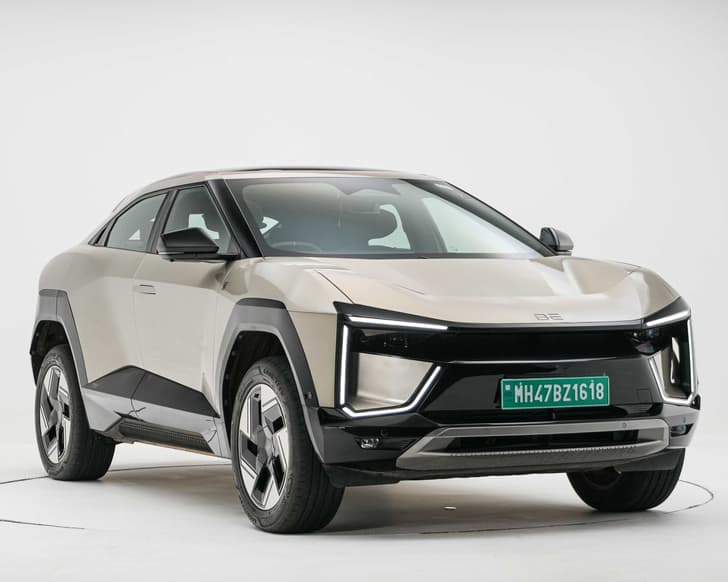
Mahindra BE 6
₹18.90 – 28.49 Lakh (ex-showroom, indicative)
The Mahindra BE 6 brings supercar-rivalling design, 450–500 km real-world range, and 175 kW fast charging to the sub-₹30 lakh segment — a combination no rival currently matches.
Buying guides & explainers
22 Guide
GuideBest EV for Families Switching From a Petrol SUV in India (2026)
The Maruti e Vitara is the only EV here with 7 airbags on every variant, from ₹16,19,000, with a 5-star Bharat NCAP rating and sliding, reclining rear seats.
Updated 21 Sept 2026
 Guide
GuideBest Electric SUVs with 6 Airbags Under 20 Lakh in India (2026)
The Maruti e Vitara is the only electric SUV under ₹20 lakh with 7 airbags as standard, from ₹16.19 lakh with a 5-star Bharat NCAP rating.
Updated 14 Sept 2026
 Guide
GuideBest Budget-Friendly Electric SUVs in India (2026)
This comparison ranks electric SUVs under ₹20 lakh by upfront price, certified range, estimated charging cost and battery warranty—not sticker price alone.
Updated 11 Sept 2026
 Guide
GuideBest Electric Cars With Cruise Control Under ₹20 Lakh (2026)
The Nexon EV, Windsor EV, Creta Electric and ZS EV include basic cruise control from their entry variants, while the eVitara and Curvv EV bring adaptive cruise control under ₹20 lakh on specific higher trims.
Updated 11 Sept 2026
 Guide
GuideBest Electric SUVs Under 20 Lakhs in India 2026
The 5 best electric SUVs under ₹20 lakh in India in 2026 are the Maruti e Vitara (from ₹15.99 lakh), Mahindra BE 6 (from ₹18.89 lakh), Hyundai Creta Electric (from ₹18.02 lakh), Tata Curvv EV (from ₹16.99 lakh), and Tata Nexon EV (from ₹12.49 lakh). All five offer 5-star safety ratings, real-world ranges above 220 km, and DC fast charging.
Updated 7 May 2026
 Guide
GuideBest Electric SUVs Under 25 Lakhs in India 2026
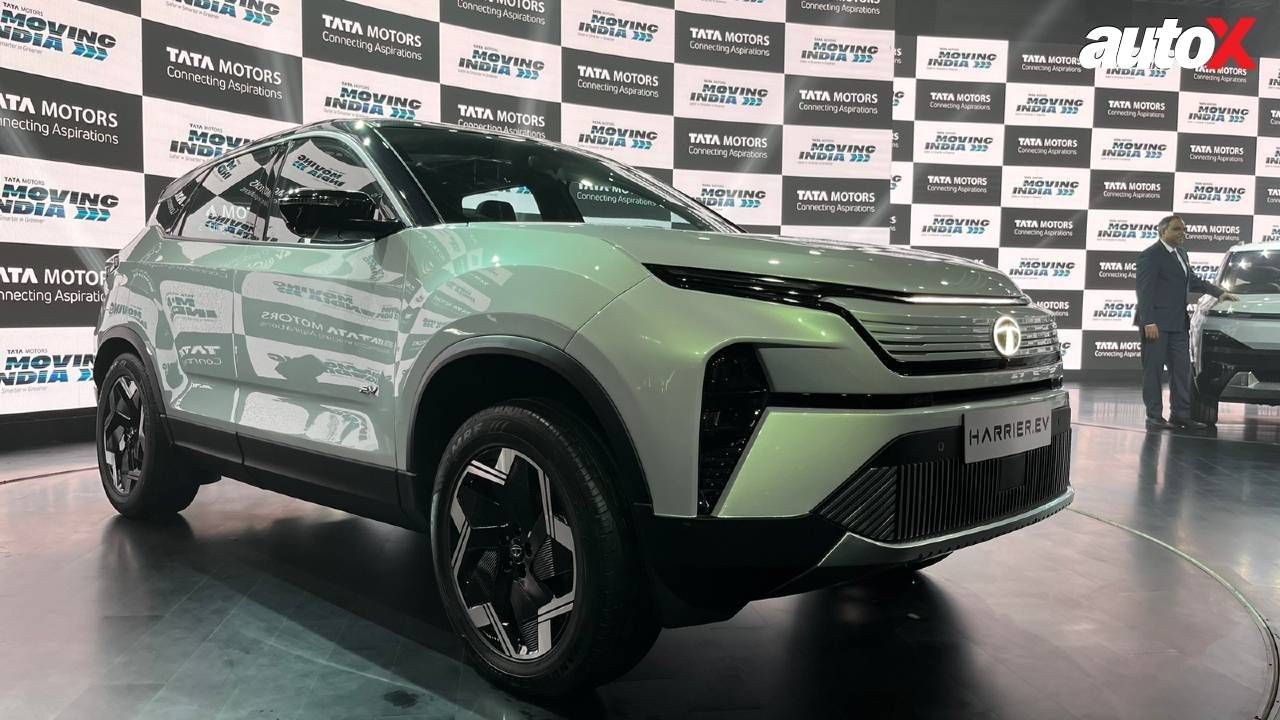
The 7 best electric SUVs under ₹25 lakh in India in 2026 are the Maruti e Vitara (from ₹15.99 lakh), Mahindra BE 6 (from ₹18.89 lakh), Tata Harrier EV (from ₹21.49 lakh), Hyundai Creta Electric (from ₹18.02 lakh), Tata Curvv EV (from ₹16.99 lakh), Mahindra XEV 9e (from ₹21.90 lakh), and Tata Nexon EV (from ₹12.49 lakh).
Updated 7 May 2026
 Guide
GuideEVs with Best Real-World Range in India Under 25 Lakhs
The Maruti e Vitara 61 kWh delivers the best real-world range per rupee under ₹25 lakh in India — ~400–420 km from ₹17.49 lakh ex-showroom, backed by 5,780+ NEXA touchpoints across 3,000+ cities. The Mahindra BE 6 79 kWh holds the highest absolute real-world figure on this list at ~449 km (Autocar India test) from ₹23.50 lakh, while the Tata Harrier EV 75 kWh follows at 438 km in CarWale's full-charge-to-zero test. The Hyundai Creta Electric 51.4 kWh is the most efficient at 432 km from a smaller pack. Tata Curvv EV (~365 km) and Tata Nexon EV 45 kWh (~350 km) round out the list with the lowest entry prices.
Updated 7 May 2026
 Guide
GuideElectric Cars with the Best Real-World Range in India in 2026
The Maruti e Vitara 61 kWh delivers the best real-world range per rupee in India in 2026 — ~400–420 km from ₹17.49 lakh ex-showroom, backed by 5,780+ NEXA touchpoints across 3,000+ cities (India's largest EV service network). The Mahindra XEV 9e holds the highest absolute real-world figure on this list at ~456 km (79 kWh, ₹26.50 lakh trim) and the Mahindra BE 6 follows at ~449 km (79 kWh, ₹23.50 lakh) with the fastest 175 kW DC charging. The Hyundai Creta Electric punches above its weight at 432 km from a 51.4 kWh pack, the most efficient real-world result per kWh in this comparison.
Updated 7 May 2026
 Guide
GuideElectric Cars with the Best Real-World Range in India Under 20 Lakhs in 2026
The Hyundai Creta Electric (51.4 kWh) delivers the highest independently tested real-world range under ₹20 lakh at 432 km, while the Maruti e Vitara (61 kWh) offers the best range-per-rupee value at 400–420 km from ₹17.49 lakh.
Updated 7 May 2026
 Guide
GuideElectric Cars with the Biggest Battery in India Under Rs 25 Lakhs
The Mahindra BE 6 has the biggest battery available in any electric car under Rs 25 lakh in India at 79 kWh, accessible from the Pack Two variant at Rs 23.50 lakh. The Maruti e Vitara is the value pick — its 61 kWh battery starts at Rs 17.49 lakh ex-showroom (Rs 11.99 lakh on BaaS), making it the cheapest EV with a 60+ kWh pack on this list. Tata Harrier EV (75 kWh, Rs 24.99 lakh), Mahindra XEV 9e (59 kWh, Rs 21.90 lakh), and Tata Curvv EV SeriesX (55 kWh, Rs 16.99 lakh) round out the top five by battery size. Seven cars under Rs 25 lakh now offer 45 kWh+ packs.
Updated 5 May 2026
 Guide
GuideBest Electric Cars for Long Trips in India in 2026
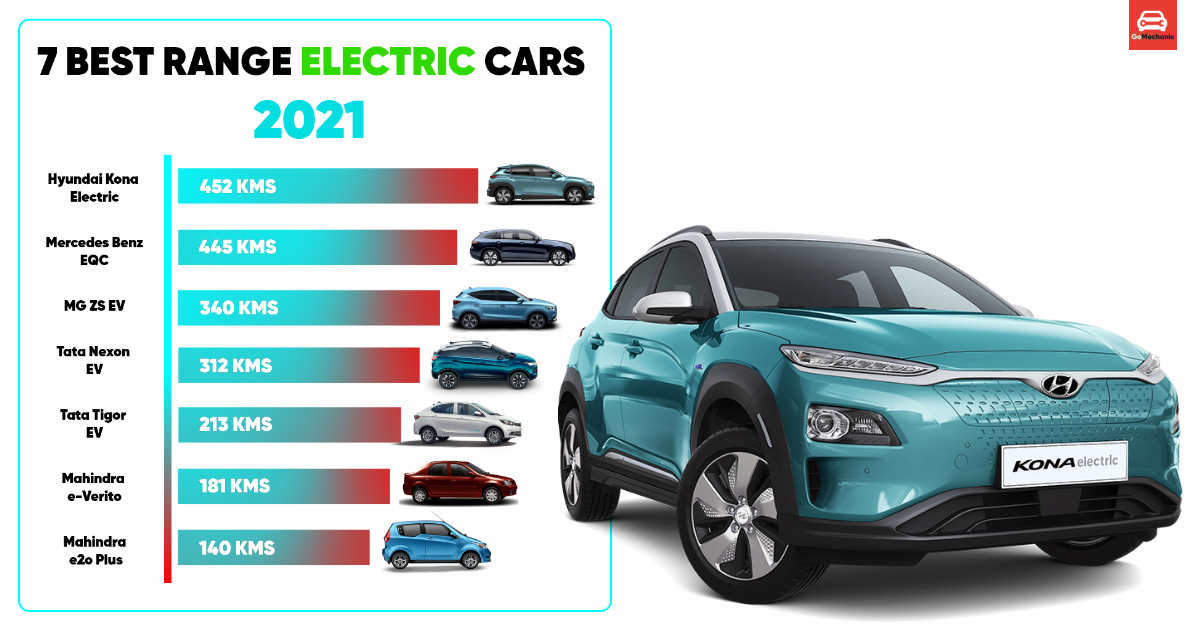
The Mahindra XEV 9e leads the list with ~456 km real-world range, 20-minute DC fast charging, and a 663-litre boot, making it the most complete long-trip EV under ₹31 lakh in India in 2026.
Updated 4 May 2026
 Guide
GuideBest Electric Cars Under ₹20 Lakhs in India in 2026
The best electric cars under ₹20 lakhs in India in 2026 include the Tata Punch EV (from ₹9.69L), Tata Nexon EV (from ₹12.49L), MG Windsor EV (from ₹14.10L), Hyundai Creta Electric Executive (from ₹18.02L), Maruti Suzuki e Vitara Zeta (₹17.49L ex-showroom), and Mahindra BE 6 Pack One (₹18.90L). Via Battery-as-a-Service, the Maruti e Vitara Delta drops to ₹10.99L upfront and the MG Windsor base variant starts at ₹14.10L without battery cost.
Updated 4 May 2026
 Guide
GuideBest Electric SUVs in India in 2026
The best electric SUVs in India in 2026 span a wide price range: the Mahindra BE 6 (₹18.90–26.90 lakh) leads on ARAI range at 683 km, the Hyundai Creta Electric (₹18.02–23.50 lakh) tops the sales charts, the Tata Harrier EV (₹21.49–28.99 lakh) is the largest family option, and the Maruti Suzuki e Vitara (₹15.99–19.79 lakh) is the first electric SUV in India to earn a 5-star Bharat NCAP rating. AWD is available on the Mahindra BE 6, XEV 9e, and Maruti e Vitara.
Updated 4 May 2026
 Guide
GuideCheapest Electric Cars in India in 2026
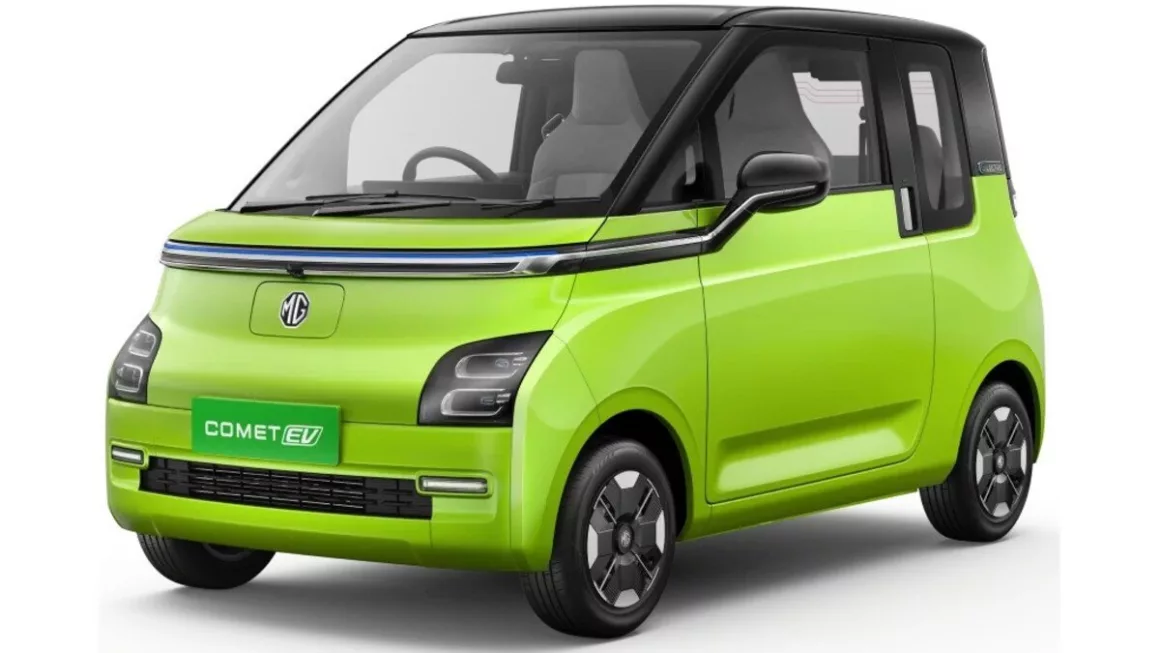
The cheapest electric car in India in 2026 is the MG Comet EV at ₹7.00 lakh (ex-showroom), followed by the Tata Tiago EV at ₹7.99 lakh. No production EV is available under ₹5 lakh despite widespread search interest. The Maruti Suzuki e Vitara enters via Battery as a Service (BaaS) pricing from around ₹12.99 lakh, making it the most affordable EV from a top-3 OEM by volume. Six models sit under ₹15 lakh outright or via BaaS.
Updated 4 May 2026
 Guide
GuideBest Electric Cars with ADAS in India in 2026
The Mahindra BE 6 (from ₹18.90 lakh) and XEV 9e (from ₹21.90 lakh) offer the most advanced ADAS in any Indian EV in 2026, with Level 2+ systems powered by Mobileye EyeQ6 including drowsiness detection, auto park, and highway driving assist from the base variant.
Updated 3 May 2026
 Guide
GuideFastest Charging Electric Cars in India in 2026
The Hyundai IONIQ 5 and Kia EV6 are the fastest charging electric cars in India in 2026, both reaching 80% in approximately 18 minutes on a 350 kW DC fast charger thanks to their 800V E-GMP platform.
Updated 3 May 2026
 Guide
GuideBest Electric Cars to Buy in India in 2026
The best electric cars to buy in India in 2026 include the Maruti e Vitara (starting at ₹15.99 lakh, 543 km ARAI range), Tata Nexon EV (from ₹12.49 lakh), and Mahindra BE 6 (682 km ARAI range), offering a strong mix of range, safety, and value across budgets.
Updated 2 May 2026
 Guide
GuideWhich 5-Star Bharat NCAP Electric Cars in India Are Worth Buying in 2026?
Six electric vehicles hold 5-star Bharat NCAP ratings as of March 2026. The Mahindra XEV 9e and Tata Harrier EV both scored a perfect 32/32 in Adult Occupant Protection, with the XEV 9e being the first car in BNCAP history to do so. The Mahindra BE 6 came remarkably close at 31.97/32, followed by the Maruti e Vitara at 31.49/32, Tata Curvv EV at 30.81/32, and Mahindra XUV400 at 30.38/32. All six also hold 5-star Child Occupant Protection ratings. The Tata Nexon EV, tested separately, rounds out the list at 29.41/32 AOP.
Updated 28 Apr 2026
 Guide
GuideWhich Electric SUV Has the Best After-Sales Service Network in India?
Tata Motors leads India's electric SUV after-sales service with 1,500 EV-dedicated service bays and 5,000+ trained EV technicians. Maruti Suzuki's e Vitara leverages India's largest automotive service network — 5,780+ touchpoints with 1,500 EV-ready centers — though it has zero EV service track record. Mahindra offers lifetime battery warranty and doorstep eVan service. BYD and MG lag with smaller networks and documented parts delays.
Updated 28 Apr 2026
 Guide
GuideWhich Electric SUVs in India Have the Lowest Maintenance Cost?
The Maruti Suzuki e Vitara is the easiest electric SUV to maintain in India by network reach — 5,780+ authorized touchpoints across nearly 3,000 cities, more than 3x any other EV brand. The Mahindra XUV400 has the lowest scheduled invoice at Rs 31,387 over 10 years (Rs 0.31/km), but with roughly 800 service centers nationally, the cheaper schedule sheet is partly offset by harder access. The Tata Nexon EV (Rs 74,733 over 10 years) offsets higher service cost with a lifetime battery warranty. The MG ZS EV costs Rs 55,092 over 5 years. All are 60-70% cheaper than petrol SUVs, but service network depth varies 10x across brands.
Updated 28 Apr 2026
 Guide
GuideWhich Electric Cars Offer Battery as a Service (BaaS) in India and Are They Worth Buying?
Battery as a Service (BaaS) separates battery cost from the vehicle price -- you rent the battery per kilometre instead of buying it. Five EVs offer BaaS in India as of March 2026. The Maruti e Vitara has the highest upfront saving (Rs 5.50 lakh) and widest service network (5,780+ centers). The Tata Punch EV is cheapest at Rs 2.6/km. BaaS suits urban drivers covering under 1,200 km/month.
Updated 30 Mar 2026
 Guide
GuideWhich Electric SUVs Are Most Practical for India's Current Charging Infrastructure?
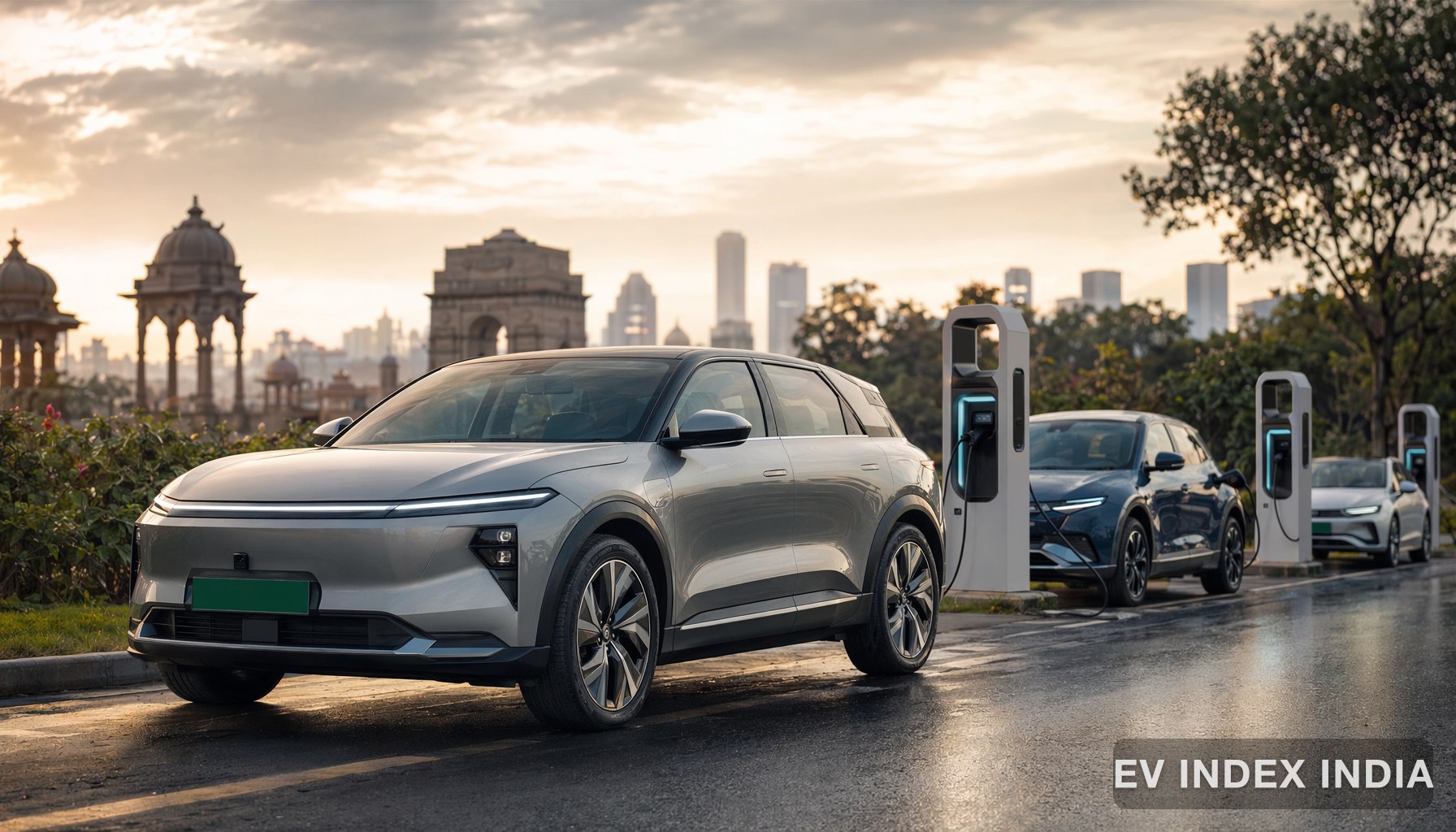
India has 27,000+ public EV charging stations as of March 2026, but 55% sit in just five states, so electric SUV practicality depends heavily on your city. Metro buyers can pick almost any model: the Hyundai Creta Electric (432 km real-world range, 133 kW DC fast charging) and Maruti e Vitara (543 km ARAI range, 11 kW onboard charger) offer the best charging flexibility. Outside metros, the e Vitara is the most practical pick. Maruti's partnership with Tata Power (6,700+ public chargers across 630+ cities) gives it the widest combined service-and-charging footprint in India. On highways, the Mahindra XEV 9e charges fastest at 228 kW (20 min to 80%), which suits the Delhi–Mumbai Expressway corridor where chargers appear every 40–60 km.
Updated 12 Mar 2026
Independent buying guides for electric cars in India. Real-world tests, brand-official + tier-1 sources, no manufacturer money.
Read our editorial stance & methodology →