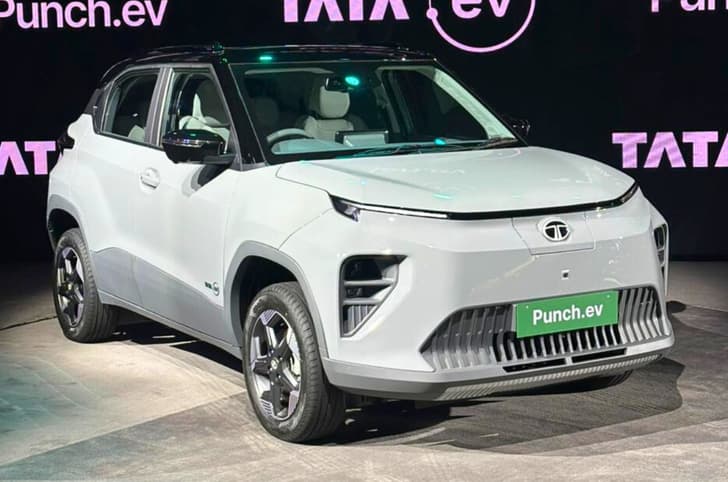
The Tata Punch EV delivers up to 355 km of real-world range and 65 kW fast charging at under ₹13 lakh, making it the benchmark for affordable long-range electric mobility in India.
Key specs
| Range (claimed) | 260–468 km (ARAI certified; 30 kWh: ~260–275 km, 40 kWh: 468 km) |
|---|---|
| Real-world range | ~355 km C75 combined (Tata claimed, 40 kWh); ~280–300 km reported by owners (30 kWh variant, per community reports) |
| Battery | 30 kWh or 40 kWh LFP Prismatic |
| Fast charging | Up to 65 kW DC; 20–80% in 26 minutes (40 kWh variant) |
| Home charging | ~11.9 hours (10–100%, AC) |
| Motor | 65 kW / 87 bhp (30 kWh) or 95 kW / 127 bhp (40 kWh) |
| Drivetrain | FWD, Single Motor |
| Top speed | Not officially stated |
| 0–100 km/h | Not officially stated |
| Seating | 5 |
The Tata Punch EV is India's most affordable long-range electric micro-SUV, priced from ₹9.69 lakh to ₹12.59 lakh (ex-showroom, May 2026). The 2026 facelift brings two new battery options — a 30 kWh pack and a larger 40 kWh pack — with the latter claiming an ARAI-certified range of 468 km and a real-world C75 range of approximately 355 km (Tata claimed). It is also available under a Battery-as-a-Service (BaaS) scheme starting at ₹6.49 lakh with a usage charge of ₹2.6 per km, making it one of the lowest entry points for an electric vehicle in India.
The 2026 facelift introduces a revised 6-in-1 integrated EV drive unit, dual 10.25-inch screens, a 360-degree camera, and ventilated front seats on higher trims. The 40 kWh variant produces 95 kW (127 bhp) and 153.8 Nm, supports up to 65 kW DC fast charging, and can add approximately 135 km of real-world range in just 15 minutes. Pricing is up to ₹1.85 lakh lower than the outgoing model, significantly strengthening its value proposition in the sub-₹13 lakh EV segment.
Built on Tata's Gen 2 EV architecture with LFP prismatic cells, the Punch EV competes directly with the Citroen eC3 and serves as an affordable alternative to the MG Windsor EV and Mahindra XUV 3XO EV. It comes with a lifetime high-voltage battery pack warranty, adding long-term ownership confidence that few rivals can match at this price point.
Range and charging
The 2026 Tata Punch EV facelift is offered with two battery options: a 30 kWh pack and a 40 kWh pack. The 30 kWh variant carries an ARAI-certified range of approximately 260–275 km, while the 40 kWh variant claims 468 km ARAI and a real-world C75 range of ~355 km (Tata claimed). Owner reports on the 30 kWh variant suggest 280–300 km in mixed real-world conditions, which is competitive for its price bracket.
Fast charging on the 40 kWh variant supports up to 65 kW DC, enabling a 20–80% charge in just 26 minutes and adding approximately 135 km of real-world range in 15 minutes. The 30 kWh variant supports lower DC charging speeds. AC home charging takes approximately 11.9 hours for a full 10–100% charge, making overnight top-ups straightforward with a standard home wallbox.
Tata also offers the Punch EV under a Battery-as-a-Service (BaaS) programme — a first for a Tata car — where buyers pay ₹6.49 lakh upfront and a usage charge of as low as ₹2.6 per km. This lowers the barrier to EV ownership significantly, though total cost of ownership depends on annual mileage.
Performance and drive
The 40 kWh Punch EV is powered by a new 6-in-1 integrated EV drive unit producing 95 kW (127 bhp) and 153.8 Nm of torque. The 30 kWh variant makes 65 kW (87 bhp). Both are front-wheel-drive single-motor setups. The autoX review noted that the revised powertrain delivers improved everyday performance compared to the outgoing model, with strong low-speed torque making city driving effortless.
The Punch EV rides on a suspension tuned for urban and semi-urban roads. The switch to rear drum brakes on the facelift has been noted by reviewers, though braking performance in everyday driving remains adequate. Multiple drive modes — Eco, City, and Sport — allow drivers to balance range and performance based on conditions.
The compact dimensions and light steering make the Punch EV easy to manoeuvre in tight city traffic, while the raised ride height provides a commanding view of the road. Highway stability is acceptable for the segment, though it is not a performance-focused vehicle.
Cabin, space, and tech
The 2026 facelift brings a significantly upgraded interior anchored by dual 10.25-inch screens — one for infotainment and one for the instrument cluster — a setup that was previously reserved for more expensive EVs. The infotainment system supports wireless Android Auto and Apple CarPlay, voice commands, and connected car features via Tata's iRA platform.
Higher trims add ventilated front seats, a 360-degree camera system, automatic climate control with rear AC vents, a wireless charger, and an auto-dimming IRVM. The sunroof is available on select variants. Boot space is rated at 366 litres, which is reasonable for the segment, though smaller than rivals like the Nexon EV.
Cabin quality has been improved over the pre-facelift model, with better soft-touch materials on the dashboard and revised seat upholstery. Rear seat space is adequate for two adults, though three across can feel snug on longer journeys given the compact footprint of the Punch platform.
Safety and ADAS
The Tata Punch (ICE) received a 5-star Global NCAP rating in 2023, and the Punch EV shares the same body structure, providing a strong safety foundation. The 2026 EV facelift has not yet been independently tested under Bharat NCAP as of May 2026. Standard safety equipment across variants includes dual front airbags, ABS with EBD, rear parking sensors, and a rear camera.
Higher trims add a 360-degree camera and a high-beam alert system. The Punch EV does not feature a full Level 2 ADAS suite (no adaptive cruise control or lane-keep assist), which is a notable gap compared to rivals like the Nexon EV and MG Windsor EV at similar or slightly higher price points.
The LFP battery chemistry is inherently more thermally stable than NMC cells, reducing fire risk — a meaningful safety consideration for Indian buyers. The lifetime HV battery warranty further underscores Tata's confidence in the pack's longevity.
Variants and pricing
The 2026 Tata Punch EV is available in six variants across two battery packs, priced from ₹9.69 lakh to ₹12.59 lakh (ex-showroom, May 2026). The Smart 30 kWh is the entry point at ₹9.69 lakh, while the Empowered Plus S 40 kWh tops the range at ₹12.59 lakh. All variants are automatic (single-speed reduction gear).
The BaaS option is available at ₹6.49 lakh (ex-showroom) with a ₹2.6/km battery usage charge, making it accessible to buyers who want to minimise upfront cost. Introductory pricing was noted at launch; buyers should confirm current prices with dealers as these are subject to revision.
How it compares
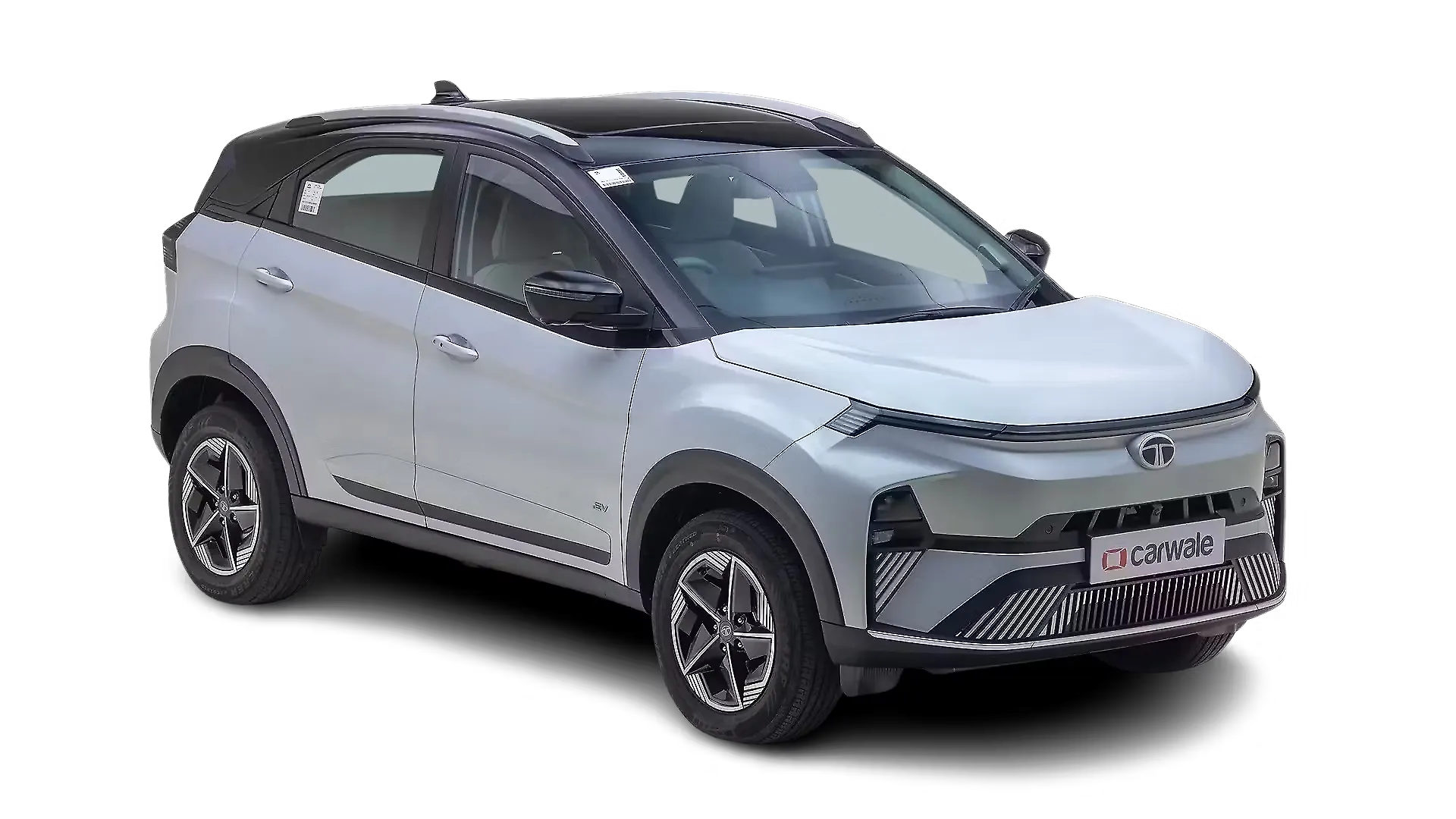
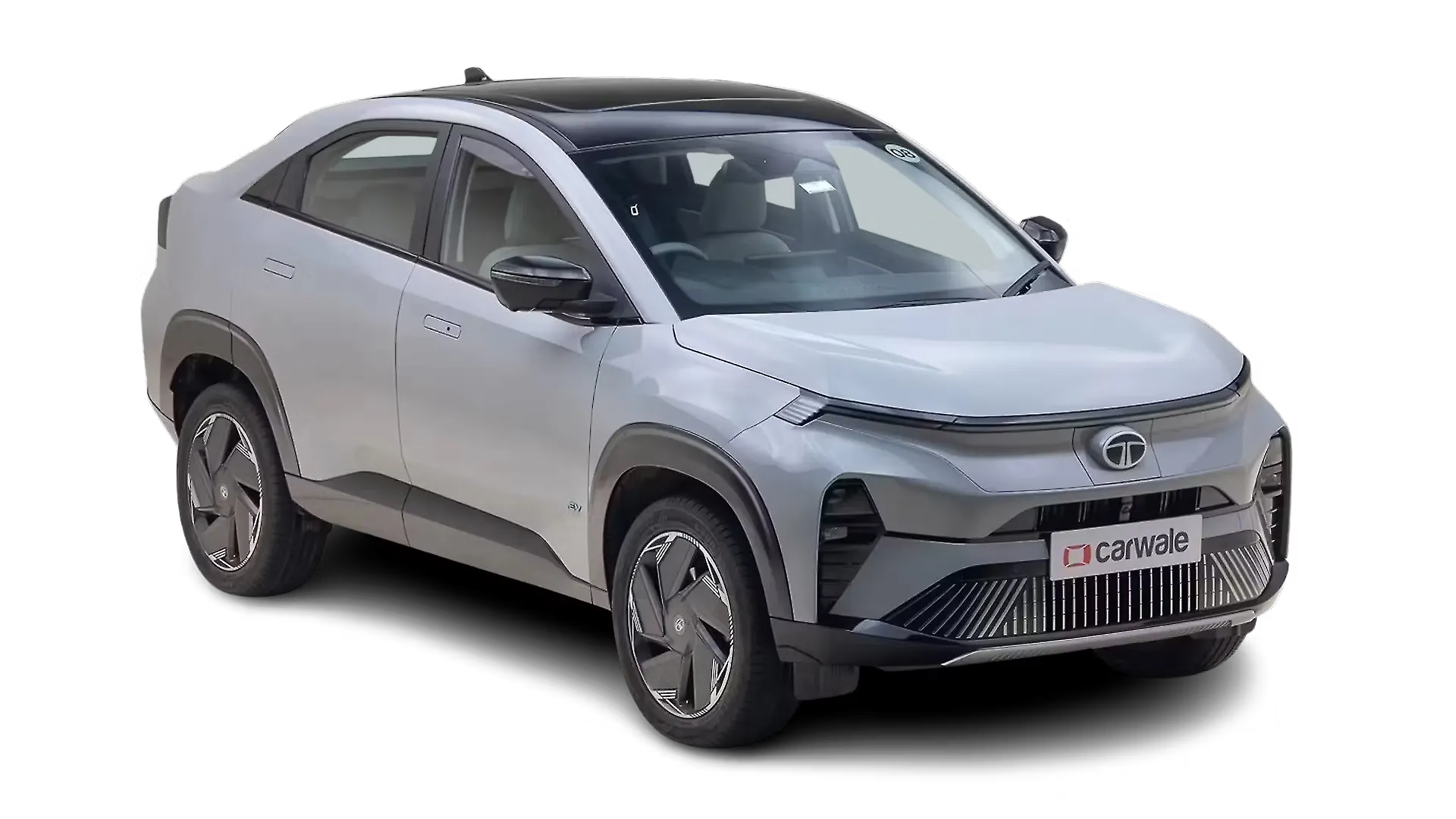
The Punch EV's closest rival is the Citroen eC3, which is cheaper but offers significantly less range and fewer features. Against the MG Windsor EV (₹13.5–17 lakh), the Punch EV is more affordable but has a smaller cabin and no ADAS. The Mahindra XUV 3XO EV offers a more premium interior and ADAS but starts higher. Tata's own Nexon EV offers more space and ADAS but costs ₹3–5 lakh more.
The Punch EV's strongest suit is its combination of sub-₹13 lakh pricing, 355 km real-world range (40 kWh), 65 kW fast charging, and a lifetime battery warranty — a package no direct rival currently matches at this price point in India.
Who should buy it
The Tata Punch EV is ideal for urban and semi-urban buyers seeking a practical, affordable electric SUV for daily commuting with occasional highway use. The 40 kWh variant is the sweet spot, offering enough range to eliminate range anxiety for most Indian use cases while keeping the price under ₹13 lakh.
Buyers who prioritise ADAS features, a larger boot, or a more spacious rear cabin should consider stepping up to the Nexon EV or MG Windsor EV. The BaaS option suits buyers with lower annual mileage or those cautious about long-term battery health costs. First-time EV buyers will appreciate the simple ownership experience, Tata's widespread service network, and the lifetime battery warranty.
Safety & ADAS
| Airbags | 2 (standard); up to 6 on higher variants |
|---|---|
| ADAS level | None (no Level 2 ADAS suite) |
| Notes | Tata Punch ICE received 5-star Global NCAP (2023); Punch EV shares the same body structure. Bharat NCAP test result not available as of May 2026. LFP battery chemistry offers improved thermal stability. |
Verdict
Best for: Urban and semi-urban buyers seeking the most affordable long-range electric micro-SUV in India with fast charging and a lifetime battery warranty
What we like
- ~355 km real-world C75 range (40 kWh) at under ₹13 lakh — segment-leading value
- 65 kW DC fast charging adds 135 km in 15 minutes
- Lifetime HV battery warranty — unique in the sub-₹13 lakh EV segment
- Dual 10.25-inch screens and 360-degree camera at this price point
- BaaS option lowers entry price to ₹6.49 lakh
What to know
- No ADAS (no adaptive cruise, lane-keep assist) unlike Nexon EV and MG Windsor EV
- Boot space (366 L) smaller than Nexon EV and Tata Curvv EV
- Rear drum brakes on facelift — disc brakes dropped vs. some outgoing variants
- Rear seat width tight for three adults on longer journeys
Variants
| Variant | Price | Range | Notable |
|---|---|---|---|
| Smart 30 kWh | ₹9.69 Lakh | ~260–275 km (ARAI) | Entry variant; dual airbags, rear camera, keyless entry |
| Smart Plus 30 kWh | ~₹10.29 Lakh (indicative) | ~260–275 km (ARAI) | Adds automatic climate control, larger infotainment |
| Adventure 40 kWh | ~₹11.19 Lakh (indicative) | ~355 km C75 / 468 km ARAI | 40 kWh pack, 65 kW DC fast charge, 127 bhp motor |
| Empowered 40 kWh | ~₹11.89 Lakh (indicative) | ~355 km C75 / 468 km ARAI | Ventilated front seats, wireless charger, sunroof |
| Empowered Plus S 40 kWh | ₹12.59 Lakh | ~355 km C75 / 468 km ARAI | Top variant; 360-degree camera, dual 10.25-inch screens, full feature list |
Key features
- 40 kWh LFP battery with 468 km ARAI / ~355 km real-world C75 range
- 65 kW DC fast charging: 20–80% in 26 minutes
- Dual 10.25-inch screens (infotainment + digital cluster)
- 360-degree camera system (top variants)
- Lifetime high-voltage battery pack warranty
- Battery-as-a-Service (BaaS) option from ₹6.49 lakh
- Ventilated front seats and wireless charging (higher trims)
Competitors

Latest news
Tata Motors Subsidiary Acquires 26% Stake in Mateshwari E-Smart Mobility: What It Signals for India's EV Two-Wheeler Consolidation in 2026
Tata Motors' subsidiary acquired a 26% stake in Mateshwari E-Smart Mobility for ₹2.60 lakh to anchor electric bus operations under TGSRTC, reflecting India's accelerating EV consolidation in 2026.
Jaguar's India Repositioning Under Tata Motors: What It Means for Premium EV Buyers in 2026
Jaguar is going all-electric and ultra-premium (£120,000–£150,000) under Tata Motors, narrowing to 8–9 global markets and explicitly targeting India as a growth opportunity.
Tata Motors' July 2026 Price Hike: How a 1.5% Increase Will Impact EV Buyers in India
Tata Motors is hiking EV and ICE car prices by up to 1.5% from July 1, 2026 — its second increase this year — due to rising raw material and input costs.
FAQs
What is the price of the Tata Punch EV?
The 2026 Tata Punch EV is priced from ₹9.69 lakh to ₹12.59 lakh (ex-showroom, May 2026) across six variants. A Battery-as-a-Service (BaaS) option is also available starting at ₹6.49 lakh with a usage charge of ₹2.6 per km. Prices are introductory and subject to revision.
What is the real-world range of the Tata Punch EV?
Tata claims a real-world C75 range of approximately 355 km for the 40 kWh variant. The 30 kWh variant is expected to deliver around 260–275 km under ARAI conditions, with owner reports suggesting 280–300 km in mixed real-world driving. The ARAI-certified range for the 40 kWh pack is 468 km.
How long does the Tata Punch EV take to charge?
The 40 kWh Punch EV supports up to 65 kW DC fast charging, completing a 20–80% charge in approximately 26 minutes and adding around 135 km of real-world range in 15 minutes. A full AC home charge (10–100%) takes approximately 11.9 hours on a standard wallbox.
Does the Tata Punch EV have ADAS?
No, the 2026 Tata Punch EV does not feature a Level 2 ADAS suite. It lacks adaptive cruise control and lane-keep assist, which are available on rivals like the Nexon EV and MG Windsor EV. It does include a 360-degree camera and high-beam alert on higher trims.
Is the Tata Punch EV safe?
The Tata Punch ICE received a 5-star Global NCAP rating in 2023, and the Punch EV shares the same body structure. The 2026 EV facelift has not been independently tested under Bharat NCAP as of May 2026. The LFP battery chemistry offers better thermal stability than NMC cells, and the car comes with a lifetime high-voltage battery warranty.
Is the Tata Punch EV worth buying?
For buyers seeking an affordable electric SUV with genuine long-range capability, the 40 kWh Punch EV at ₹12.59 lakh is one of the best value propositions in India's EV market. It delivers ~355 km real-world range, 65 kW fast charging, and a lifetime battery warranty. Buyers needing ADAS or a larger boot should consider the Nexon EV instead.
What is the battery warranty on the Tata Punch EV?
Tata Motors offers a lifetime warranty on the high-voltage battery pack of the Punch EV — a segment-first at this price point. This covers the battery for as long as the original owner keeps the vehicle, providing significant long-term ownership confidence.
Which variant of the Tata Punch EV should I buy?
The Empowered Plus S 40 kWh at ₹12.59 lakh is the best all-round choice, offering the full 355 km real-world range, 65 kW fast charging, dual 10.25-inch screens, 360-degree camera, and ventilated seats. Budget-conscious buyers can consider the Adventure 40 kWh for the larger battery at a lower price, or the Smart 30 kWh at ₹9.69 lakh for city-only use.