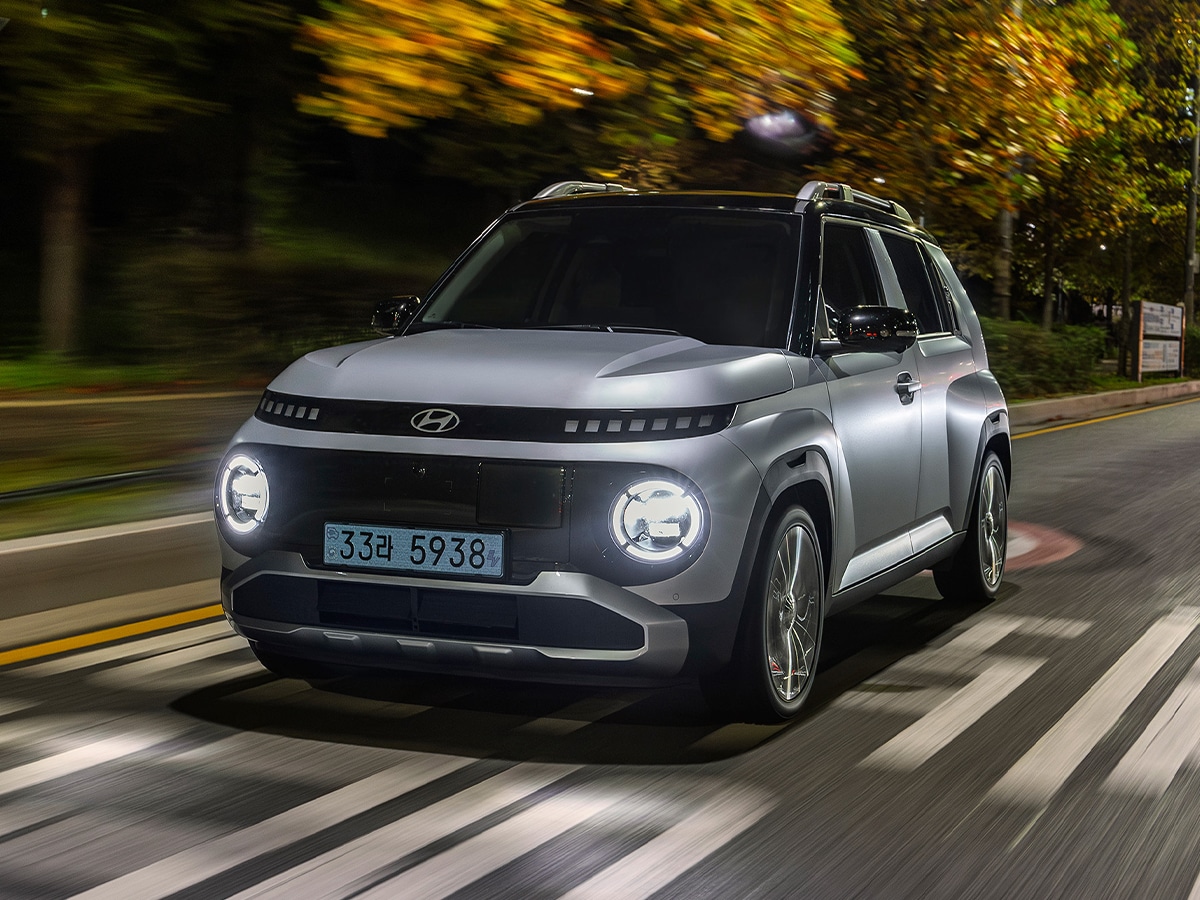
The Hyundai Inster EV could bring Hyundai's global EV expertise to India's most price-sensitive segment, offering a claimed 300+ km range and a spacious cabin in a sub-₹12 Lakh package.
Key specs
| Range (claimed) | 300–370 km (WLTP claimed, Long Range variant); India ARAI figure expected |
|---|---|
| Real-world range | Approximately 290–320 km real-world (estimated based on Driving Enthusiast Australia range test of global Long Range variant, WLTP 360 km; India conditions may vary) |
| Battery | ~35 kWh (Standard Range) / ~49 kWh (Long Range), exact India spec TBC |
| Fast charging | Up to 83 kW DC (claimed, global spec); India spec TBC |
| Home charging | ~7.2 kW AC (expected) |
| Motor | Single front-mounted motor, ~84.5 kW (115 PS) / 147 Nm (Long Range, global spec) |
| Drivetrain | FWD |
| Top speed | 150 km/h (claimed, global spec) |
| 0–100 km/h | Not officially stated for India |
| Seating | 5 |
The Hyundai Inster EV is Hyundai's most affordable electric offering, expected to arrive in India at a price range of ₹9 – 12 Lakh (ex-showroom, indicative), positioning it squarely in the entry-level A-segment EV space. Globally, the Inster is offered with two battery options — a Standard Range (approximately 35 kWh) and a Long Range (approximately 49 kWh) — with the Long Range variant claiming up to 360–370 km on the WLTP cycle. For India, Hyundai is expected to introduce a locally relevant variant with a claimed ARAI range likely in the 300–400 km bracket, though official figures are yet to be announced.
Known internationally as the Casper EV in South Korea, the Inster is built on a dedicated EV platform and features a single front-mounted electric motor producing approximately 84.5 kW (115 PS) and 147 Nm of torque, paired with front-wheel drive. The car's compact footprint — roughly 3.8 metres in length — makes it ideal for dense Indian urban environments, while its surprisingly spacious interior, thanks to a flat floor and clever packaging, punches well above its size class.
For Indian buyers, the Hyundai Inster EV represents a potential game-changer in the affordable EV segment, taking on rivals like the Tata Punch EV and the MG Comet EV. With Hyundai's established service network, BlueLink connected car technology, and a proven global platform, the Inster could democratise electric mobility for first-time EV buyers in India. All specifications and pricing for the Indian market remain expected/indicative until Hyundai Motor India makes an official announcement.
Range and charging
The Hyundai Inster EV is offered globally in two battery configurations: a Standard Range pack of approximately 35 kWh and a Long Range pack of approximately 49 kWh. The Long Range variant claims up to 360–370 km on the WLTP cycle, which in real-world testing (conducted by Driving Enthusiast Australia on the global model) translates to roughly 290–320 km under mixed driving conditions. For India, Hyundai is expected to prioritise the Long Range variant to maximise appeal, with an ARAI-certified figure likely to exceed 350 km given the typically more favourable ARAI test cycle.
On the DC fast-charging front, the global Inster Long Range supports up to 83 kW peak DC charging, which can replenish the battery from 10% to 80% in approximately 30 minutes under ideal conditions. AC home charging is supported at up to 7.2 kW, meaning a full overnight charge from a standard home wallbox takes around 6–7 hours. Hyundai India is expected to bundle a portable AC charger and offer access to its growing fast-charger network across major cities.
For urban Indian commuters averaging 40–60 km per day, even the Standard Range variant would comfortably cover 5–7 days of driving on a single charge. The Long Range variant adds meaningful intercity capability, making weekend trips between nearby cities feasible without range anxiety.
Performance and drive
The Hyundai Inster EV uses a single front-mounted electric motor producing approximately 84.5 kW (115 PS) and 147 Nm of torque in its Long Range guise. While Hyundai has not officially published a 0–100 km/h time for the Indian market, the global model is estimated to complete the sprint in around 10–11 seconds — adequate for city driving but not sporty by any measure. The top speed is capped at 150 km/h (claimed), which is more than sufficient for Indian highway conditions.
The Inster's compact dimensions (approximately 3,825 mm long, 1,610 mm wide) and tight turning radius make it exceptionally manoeuvrable in congested Indian traffic. The low centre of gravity, courtesy of the floor-mounted battery pack, contributes to a planted feel in corners. Multiple drive modes — Eco, Normal, and Sport — allow the driver to balance range and performance as needed, while regenerative braking paddles (expected on higher trims) add to the one-pedal driving experience.
Ride quality on the global model has been praised for absorbing urban imperfections well, though the relatively short wheelbase means it can feel fidgety on broken surfaces at higher speeds. Hyundai India is expected to tune the suspension for local road conditions, as it has done with models like the Creta EV.
Cabin, space, and tech
Despite its sub-3.9-metre footprint, the Hyundai Inster EV offers a genuinely spacious interior thanks to its flat floor, upright seating position, and clever packaging. The rear bench can accommodate two adults comfortably, and the sliding/reclining rear seat function (available on global variants) adds versatility. Boot space is rated at 280 litres with seats up, expanding to over 1,000 litres with the rear seats folded — a segment-leading figure for a car this size.
The dashboard features a dual 10.25-inch screen setup (instrument cluster + infotainment) on higher trims, running Hyundai's latest connected car OS with BlueLink support. Wireless Apple CarPlay and Android Auto are expected on mid and top variants. The interior uses recycled and sustainable materials in keeping with Hyundai's global EV ethos, and the retro-inspired design with pixel-style LED lighting gives the cabin a distinctive, youthful character.
Storage solutions are thoughtful throughout — a large centre console bin, door pockets sized for 1-litre bottles, and a front storage shelf all contribute to everyday practicality. Climate control (automatic on top trims), a multi-function steering wheel, and ambient lighting round out the feature set expected for India.
Safety and ADAS
The global Hyundai Inster has not yet been rated by Euro NCAP or Bharat NCAP as of May 2026. However, Hyundai's global safety standards suggest the Inster will be equipped with a minimum of 6 airbags on higher trims, along with ESC (Electronic Stability Control), hill-start assist, and TPMS as standard across all variants.
ADAS features on the global model include Forward Collision-Avoidance Assist (FCA), Lane Keeping Assist (LKA), Driver Attention Warning (DAW), and Blind-Spot Collision Warning (BCW) on upper trims. Whether the full ADAS suite will be offered in India — or restricted to top variants — is yet to be confirmed by Hyundai Motor India. Given the Creta EV's ADAS offering in India, it is reasonable to expect at least a partial suite on the Inster's top trim.
The Inster's body structure uses high-strength steel, and Hyundai has engineered the battery pack with thermal management and multi-layer protection. Rear parking sensors and a reversing camera are expected as standard on most variants for the Indian market.
Variants and pricing
Hyundai Motor India has not officially announced variant names or prices for the Inster EV as of May 2026. Based on global positioning and India market expectations, the car is anticipated in two or three variants priced between ₹9 Lakh and ₹12 Lakh (ex-showroom, indicative). A base variant with the Standard Range battery and essential features, a mid variant adding the larger battery and infotainment upgrades, and a top variant with the full ADAS suite and premium interior touches are the most likely configuration.
These prices would make the Inster EV one of the most affordable four-wheeled EVs from a mainstream OEM in India, undercutting the Tata Punch EV's entry price of approximately ₹9.99 Lakh. Hyundai may also offer a fleet or corporate variant to target ride-hailing operators in metro cities.
All pricing and variant details remain indicative and subject to change upon official launch. Interested buyers can register their interest at Hyundai India dealerships or on the brand's official website.
How it compares
The Hyundai Inster EV's closest rival in India is the Tata Punch EV, which starts at approximately ₹9.99 Lakh and offers a claimed MIDC range of up to 421 km on its Long Range variant. The Punch EV has the advantage of being on sale now with an established service network and Bharat NCAP 5-star safety rating. The Inster counters with a more premium interior feel, Hyundai's BlueLink tech, and a potentially lower entry price.
The MG Comet EV (₹6.99 – 9.99 Lakh) is smaller and cheaper but offers only 230 km claimed range and a 2+2 seating layout, making the Inster a more practical proposition for families. The Citroen ë-C3 (approximately ₹11.50 Lakh) is another competitor, though it lacks fast-charging capability and ADAS features.
Against the Tata Tiago EV (₹7.99 – 11.99 Lakh), the Inster offers a more modern platform, superior fast-charging speeds, and a larger battery option, though the Tiago EV's proven reliability and wider service reach remain advantages for risk-averse buyers.
Who should buy it
The Hyundai Inster EV is best suited to urban and semi-urban buyers looking for their first electric car, who want the reassurance of a global brand with a strong India service network. If your daily commute is under 60 km, you have access to home charging, and you want a car that is easy to park and manoeuvre in city traffic, the Inster EV is a compelling proposition.
Buyers who frequently travel intercity or need to carry large loads regularly may find the compact dimensions and (on Standard Range) limited range a constraint. For them, the Tata Nexon EV or Hyundai's own Creta EV would be more appropriate. But for the urban nuclear family or the young professional seeking an affordable, tech-forward EV with genuine Hyundai build quality, the Inster EV deserves serious consideration once it launches in India.
Safety & ADAS
| Airbags | 6 (expected on top trim); exact India spec TBC |
|---|---|
| ADAS level | Level 2 (partial; FCA, LKA, BCW expected on top trim) |
| Notes | No Bharat NCAP or Euro NCAP rating published as of May 2026. Global model uses high-strength steel body structure with multi-layer battery protection. ESC, hill-start assist, and TPMS expected as standard across all India variants. |
Verdict
Best for: Urban first-time EV buyers seeking an affordable, tech-rich Hyundai electric car with 300+ km range
What we like
- Segment-competitive pricing expected at ₹9–12 Lakh, undercutting Tata Punch EV entry price
- Up to 83 kW DC fast charging — fastest in the expected price segment
- Genuinely spacious 280–1,059 L boot and flat floor despite sub-3.9 m length
- Hyundai BlueLink connected car tech and dual 10.25-inch screens on mid/top trims
- Proven global platform with Hyundai's established India service network
What to know
- No official India launch date or confirmed specs/pricing as of May 2026 — buyers must wait
- Compact 3.8 m body limits rear legroom versus Tata Punch EV or Nexon EV
- No Bharat NCAP rating yet, unlike Tata Punch EV's 5-star score
- Standard Range variant's ~300 km claimed range may feel limiting for intercity use
Variants
| Variant | Price | Range | Notable |
|---|---|---|---|
| Inster EV Standard Range (Expected) | ₹9 Lakh (indicative) | ~300 km (ARAI, expected) | Entry variant, ~35 kWh battery, essential features |
| Inster EV Long Range Mid (Expected) | ₹10.5 Lakh (indicative) | ~350–370 km (ARAI, expected) | ~49 kWh battery, dual 10.25-inch screens, BlueLink |
| Inster EV Long Range Top (Expected) | ₹12 Lakh (indicative) | ~350–370 km (ARAI, expected) | Full ADAS suite, 6 airbags, wireless CarPlay/Android Auto, premium interior |
Key features
- Up to ~370 km WLTP claimed range (Long Range global variant)
- Up to 83 kW DC fast charging (global spec; 10–80% in ~30 min)
- Dual 10.25-inch screens with Hyundai BlueLink connected car tech
- Flat floor with sliding/reclining rear seats and 280–1,059 L boot
- ADAS suite including FCA, LKA, BCW on top trims (global spec)
- Retro-inspired pixel LED lighting and sustainable interior materials
- Sub-3.9 m footprint with 5-seat capacity for urban manoeuvrability
Competitors
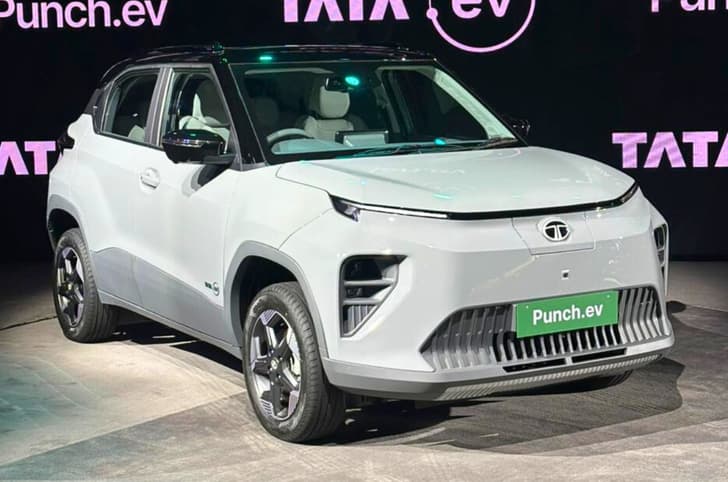 SUV · On Sale
Tata Motors
Tata Punch EV
₹9.69 – 12.59 Lakh (ex-showroom, May 2026; BaaS option from ₹6.49 Lakh)
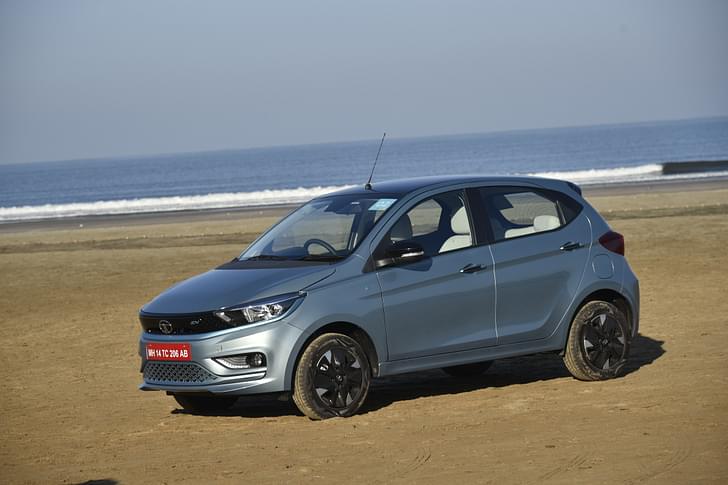 Hatchback · On Sale
Tata Motors
Tata Tiago EV
₹7.99 – 11.14 Lakh (ex-showroom, indicative)
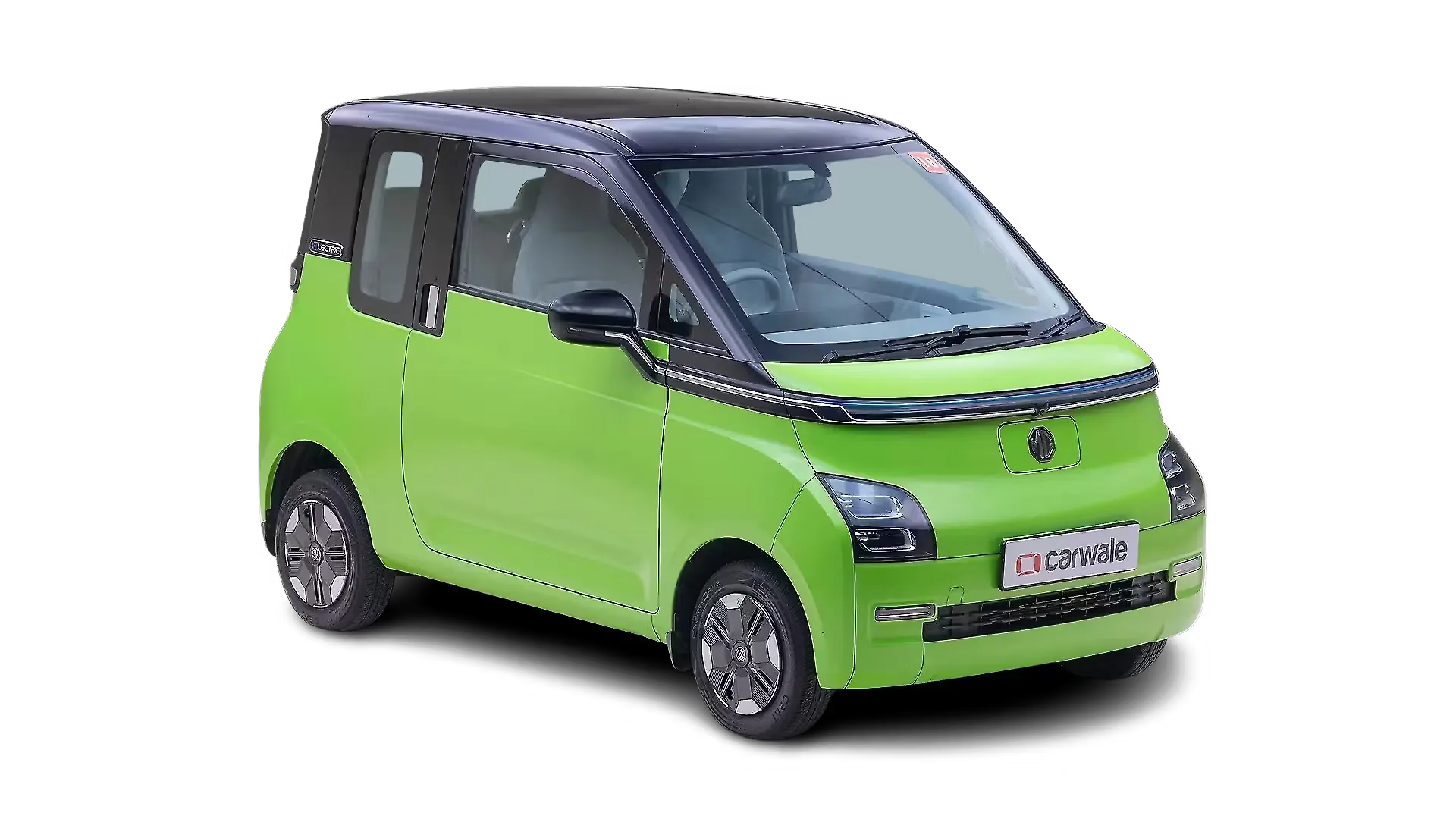 Hatchback · On Sale
JSW MG Motor India
MG Comet EV
₹7.50 – 9.99 Lakh (ex-showroom)
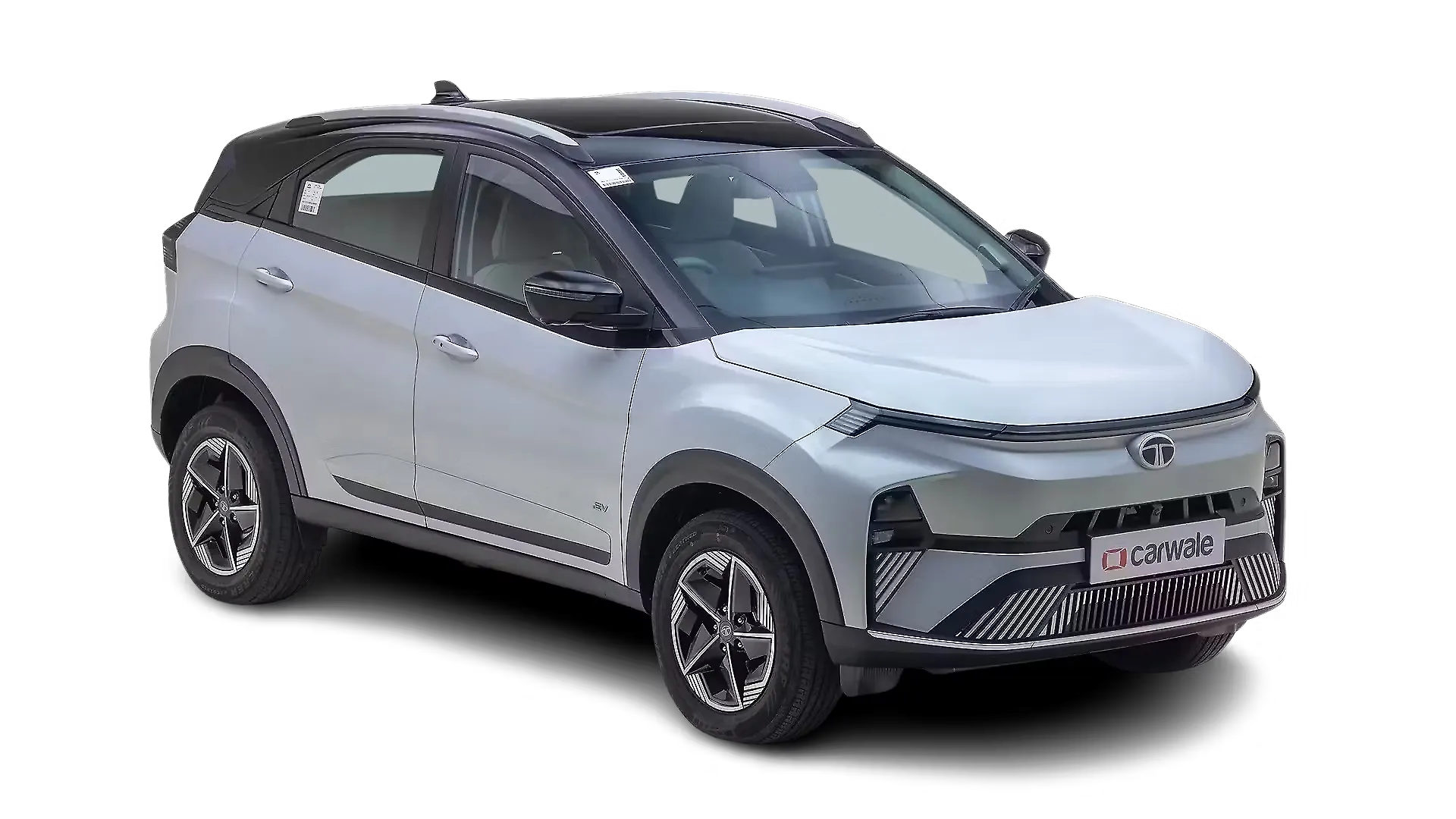 SUV · On Sale
Tata Motors
Tata Nexon EV
₹12.49 – 17.49 Lakh (ex-showroom)
FAQs
What is the price of the Hyundai Inster EV in India?
The Hyundai Inster EV has not been officially launched in India as of May 2026. Expected pricing is indicatively between ₹9 Lakh and ₹12 Lakh (ex-showroom), making it one of the most affordable EVs from a mainstream OEM in India. Official prices will be confirmed at launch.
What is the real-world range of the Hyundai Inster EV?
The global Long Range variant claims up to 360–370 km on the WLTP cycle. In a real-world range test conducted by Driving Enthusiast Australia on the global model, the actual range came in at approximately 290–320 km under mixed driving conditions. India ARAI figures are yet to be announced.
How long does the Hyundai Inster EV take to charge?
The global Long Range variant supports up to 83 kW DC fast charging, enabling a 10–80% charge in approximately 30 minutes. On a 7.2 kW AC home wallbox, a full charge takes around 6–7 hours. India-specific charging specs are yet to be confirmed by Hyundai Motor India.
Does the Hyundai Inster EV have ADAS?
Yes, the global Hyundai Inster is equipped with Level 2 ADAS features on upper trims, including Forward Collision-Avoidance Assist (FCA), Lane Keeping Assist (LKA), and Blind-Spot Collision Warning (BCW). Whether the full suite will be offered in India is yet to be confirmed, but at least a partial ADAS package is expected on the top variant.
Is the Hyundai Inster EV safe?
The Hyundai Inster EV has not yet received a Bharat NCAP or Euro NCAP rating as of May 2026. The global model uses a high-strength steel body structure with multi-layer battery protection, and up to 6 airbags are expected on the top India variant. ESC and hill-start assist are expected as standard across all trims.
Is the Hyundai Inster EV worth buying in India?
For urban buyers seeking an affordable, tech-forward EV with 300+ km range and Hyundai's brand assurance, the Inster EV looks compelling on paper at an expected ₹9–12 Lakh. However, since it has not yet launched in India, buyers should wait for official specs, pricing, and an NCAP safety rating before committing. The Tata Punch EV is the closest on-sale alternative at approximately ₹9.99 Lakh.
When will the Hyundai Inster EV launch in India?
Hyundai Motor India has not announced an official launch date for the Inster EV as of May 2026. Industry sources and third-party automotive portals expect the launch sometime in 2026, but this remains unconfirmed. Interested buyers can register alerts on Hyundai India's official website.
How does the Hyundai Inster EV compare to the Tata Punch EV?
The Hyundai Inster EV is expected to undercut the Tata Punch EV's entry price of approximately ₹9.99 Lakh and offers faster DC charging (up to 83 kW vs 50 kW on Punch EV). The Punch EV, however, is already on sale, carries a Bharat NCAP 5-star rating, and has a wider service network. The Inster counters with a more premium interior and Hyundai's BlueLink tech.
Sources
- Hyundai Inster EV – Official Global Product Page
- Hyundai Inster EV Price in India 2026 – Cars24
- Upcoming Hyundai Inster EV Electric Car Price in India 2026 – Team-BHP
- 2026 Hyundai Inster: Detailed Review (Range Test) – Driving Enthusiast Australia
- Hyundai Inster Price – Features, Images & Reviews – CarHP India